

ماذا يحدث إذا ألحقت ضررًا بسيارة مستأجرة في دبي
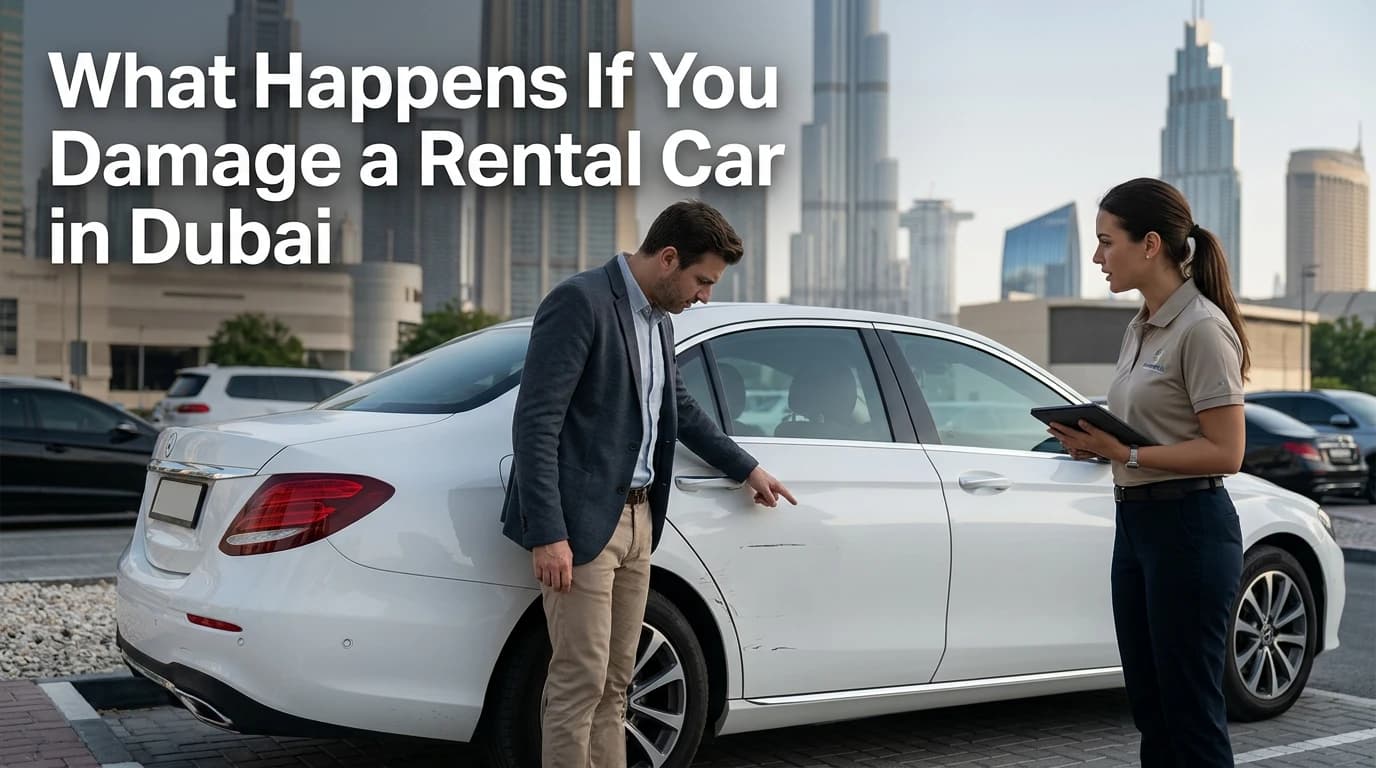
صادم مخدوش في موقف سيارات مول أو تصادم حقيقي على شارع الشيخ زايد، كلاهما يثير السؤال الأول نفسه: كم سيكلفني هذا؟ والإجابة تعتمد بشكل أقل على حجم الضرر وأكثر على ما تفعله في الساعة الأولى. احصل على محضر الشرطة، ويقوم تأمينك وتحملك بعملهما. تجاهله، أو أعد السيارة بهدوء آملًا ألا يلاحظ أحد، وقد ينتهي بك الأمر تدفع تكلفة الإصلاح كاملة بنفسك. إليك كيف تعمل أضرار السيارات المستأجرة فعليًا في دبي، وما يُقتطع من مبلغ تأمينك، وأين لا تدفع التغطية التي دفعت ثمنها شيئًا.
القاعدة الوحيدة التي تحسم كل شيء: احصل على محضر شرطة
في دبي، لا يمكنك قانونيًا إصلاح سيارة تضررت في حادث من دون محضر شرطة، ولن يلمسها أي ورشة من دونه. وهذه القاعدة الواحدة تشكّل العملية بأكملها. فالمحضر هو المستند الذي يتيح لشركة التأجير المطالبة بالتأمين، وهو الفارق بين أن تدفع تحملًا وأن تدفع تكلفة الإصلاح كاملة.
وينطبق هذا على الأمور الصغيرة أيضًا. انبعاج، خدش عميق، كسر في المصباح، كل ذلك. وقد يميل البعض عند خدش بسيط إلى تسويته بهدوء مع السائق الآخر أو التزام الصمت. لا تفعل ذلك. فإذا لم يوجد محضر واكتشفت الشركة الضرر عند الإعادة، تصبح مسؤولًا عن كل شيء، لأنه لا توجد وسيلة أمامها لاسترداد التكلفة عبر التأمين.
أصبح تقديم البلاغ سريعًا الآن. بالنسبة إلى حادث بسيط من دون إصابات، يتولى تطبيق شرطة دبي الأمر خلال خمس إلى عشر دقائق من هاتفك، ويصل المحضر الرسمي عادة عبر رسالة نصية وبريد إلكتروني وداخل التطبيق خلال خمس عشرة إلى ثلاثين دقيقة. وتوجد أيضًا 33 محطة شرطة ذكية تعمل على مدار الساعة، حيث تمسح هويتك وتحصل على محضر مطبوع. أما إذا كانت هناك إصابة أو تصادم خطير، فاتصل بالرقم 999 وانتظر وصول ضابط.
ماذا تفعل في موقع الحادث
الترتيب مهم هنا، لذا تعامل مع هذا كتسلسل من الخطوات.
- تحقق من وجود إصابات أولًا، واتصل بالرقم 999 إذا كان أحدهم مصابًا. انتقل إلى مكان آمن إذا كانت السيارة وسط حركة مرور نشطة وكان الانتقال آمنًا.
- في حال صدمة بسيطة من دون إصابات وسيارة قابلة للقيادة، انقلها خارج المسار قبل البدء بالأوراق. تفرض دبي غرامة على إعاقة حركة المرور بسبب صدمة بسيطة، لذا هذه هي الحالة الوحيدة التي تنقل فيها السيارة.
- صوّر كل شيء قبل تحريك أي شيء: كلتا السيارتين، الضرر، اللوحات، المشهد بشكل أوسع، ورخصة السائق الآخر وبطاقة تسجيل مركبته.
- قدّم البلاغ عبر تطبيق شرطة دبي أو في محطة شرطة ذكية، أو انتظر الضابط إذا كان في طريقه.
- اتصل بشركة التأجير. أخبرهم بما حدث وبمكان السيارة. يحتاجون إلى معرفة ذلك، وفي معظم العقود يُعد عدم إبلاغهم بالحادث مخالفة بحد ذاتها قد تجعلك مسؤولًا.
عندما تصل الشرطة، تحدد المسؤولية وتصدر محضرًا بلون معين. النموذج الأخضر يعني أنك الطرف المتضرر غير المتسبب. والنموذج الوردي يعني أنك المسؤول. أما النموذج الأبيض فيعني ألا أحد مسؤولًا. احتفظ بأي محضر تحصل عليه، لأنه يحدد ما يحدث لاحقًا من الناحية المالية.
من يدفع فعليًا، وكيف يدخل مبلغ التأمين في المعادلة
عند استلام السيارة، تحجز الشركة مبلغًا على بطاقتك الائتمانية. هذا هو مبلغ التأمين، وليس رسمًا مقتطعًا بعد، بل مجرد حجز لجزء من رصيدك المتاح. توقع نحو 1,000 إلى 5,000 درهم لسيارة سيدان أو دفع رباعي عادية، و10,000 درهم أو أكثر لأي سيارة استثنائية. وإذا عادت السيارة سليمة، يُفرَج عن الحجز، رغم أن ذلك قد يستغرق حتى 30 يومًا.
وإذا وُجد ضرر مُبلَّغ عنه، تسترد الشركة تكلفتها منك، ومبلغ التأمين هو المصدر الأول الذي تقتطع منه. وفي عقد تأجير قياسي، تكون تلك التكلفة هي تحملك، ويُسمى أيضًا الاستقطاع. والتحمل هو المبلغ الثابت الذي تدين به بغض النظر عمن يصلح السيارة، ويتراوح عادة من نحو 1,500 درهم على سيارة اقتصادية إلى 5,000 درهم أو أكثر على مركبة فاخرة. أما تكاليف الإصلاح التي تتجاوز التحمل فتذهب إلى شركة التأمين، لا إليك، طالما يوجد محضر شرطة صالح.
إذن، تسير حالة عدم المسؤولية النموذجية على هذا النحو: تحصل على محضر أخضر، وتُطالَب تكلفة الإصلاح من تأمين السائق الآخر، وقد لا تدفع شيئًا أو تدفع فقط تحملًا قابلًا للاسترداد مقدمًا. أما حالة المسؤولية بمحضر وردي فأبسط وأكثر تكلفة: يُقتطع تحملك من مبلغ التأمين، وتلك هي تكلفتك.
التحمل هو الرقم الذي يؤلم فعليًا
يركّز الناس على السعر اليومي ويتجاهلون التحمل، وهو الرقم الذي يحدد فعليًا كلفة حادث صغير. فقد يحمل سعر يبدو رخيصًا تحملًا قدره 3,000 درهم، لذا فإن خدشًا بسيطًا تكلفة إصلاحه 800 درهم يظل يكلفك المبلغ كاملًا، لأنه أقل من حد التحمل، وتحمّلك الشركة ببساطة المبلغ الفعلي حتى ذلك السقف.
وهذا ما تشتريه لك ترقية التغطية. فالتغطية الشاملة الأساسية تضع سقفًا لمسؤوليتك لكنها تُبقي التحمل قائمًا. أما Super CDW أو التغطية الكاملة فتخفض التحمل إلى صفر أو إلى مبلغ صغير، غالبًا من 100 إلى 500 درهم، مقابل رسم إضافي. وبالنسبة إلى السيارات الاقتصادية والمتوسطة، يبلغ هذا الرسم نحو 30 إلى 80 درهمًا في اليوم، ويرتفع إلى 100 إلى 250 درهمًا في اليوم على الطرازات الفاخرة وأكثر على السيارات الرياضية. إذا كنت قلقًا بشأن حركة المرور في دبي أو كانت السيارة مكلفة الإصلاح، فإن الترقية تستحق الثمن عادة. أما في عقد تأجير قصير داخل المدينة بسيارة رخيصة، فقد يكون التحمل الأساسي مخاطرة يسعدك تحملها.
أمر واحد نادرًا ما تغطيه التغطية، حتى في نسختها الكاملة: تُستثنى عادة الإطارات والزجاج الأمامي والعجلات والجنوط وأسفل الهيكل والمقصورة الداخلية والمفاتيح المفقودة. لذا قد يقع عليك عبء جنط متضرر من رصيف أو زجاج أمامي مكسور بحصاة حتى مع تغطية قوية. اقرأ قائمة الاستثناءات هذه قبل التوقيع.
متى لا يدفع التأمين شيئًا على الإطلاق
لا تصمد التغطية إلا إذا التزمت بالقواعد. اخرج عنها وتُلغى التغطية، فتدفع الإصلاح بأكمله، لا التحمل فقط. وهذه هي الطرق الرئيسية التي يفقد بها المستأجرون تغطيتهم في الإمارات:
- القيادة خارج الطريق المعبّد. يستثني التأمين القياسي للسيارات المستأجرة المسارات الصحراوية والشواطئ والطرق الجبلية غير المعبّدة. خذ سيارة تأجير عادية إلى الكثبان الرملية وسيقع أي ضرر بالكامل عليك.
- سائق غير مصرَّح له. لا تُغطى سوى الشخص المذكور اسمه في العقد، بالإضافة إلى أي سائق إضافي مُسجَّل ومدفوع. اترك صديقًا يقود وتكون قد ألغيت التغطية.
- أي كحول أو مخدرات. تتبنى الإمارات سياسة عدم التسامح المطلق، لذا فإن أي نتيجة إيجابية تعني عدم وجود تغطية على الإطلاق، إلى جانب الجانب الجنائي.
- القيادة المتهورة وتجاوز السرعة بشكل خطير. السباقات والحركات الاستعراضية والسرعات الشديدة الخارجة عن الحد المسموح تُعد خرقًا للعقد وسترفضها شركة التأمين.
- عبور الحدود إلى عُمان من دون موافقة مسبقة وامتداد تأميني خاص بعُمان. فرحلة إلى مسندم بتغطية قياسية تتركك مكشوفًا فور عبورك الحدود.
لا شيء من هذه الفخاخ غامض. إنها الطرق اليومية التي يحوّل بها الناس حادثًا مغطى إلى فاتورة شخصية، وفخ القيادة خارج الطريق هو الأكثر شيوعًا بين السياح. إذا أردت القيادة في الصحراء أو عبور الحدود، رتّب مسبقًا سيارة دفع رباعي مع تغطية للقيادة خارج الطريق مع شركة التأجير.
بالنسبة إلى القيادة المعتادة في دبي، أبسط حماية هي استئجار سيارة تأتي منذ البداية بتغطية واضحة وتحمل معقول، ويمكنك ترتيب ذلك معنا في دبي قبل وصولك، على 24baba.com، بحيث تعرف مسؤوليتك قبل أن تدير المفتاح.
الأسئلة الشائعة — إجابات على الأسئلة المتكررة.
هل أحتاج فعلًا إلى محضر شرطة مقابل خدش بسيط في سيارة مستأجرة؟
نعم. في دبي، يُعد إصلاح ضرر ناتج عن حادث من دون محضر شرطة مخالفة للقانون، ولا يمكن لشركة التأجير المطالبة بالتأمين من دونه. وإذا تجاهلت المحضر حتى مع خدش بسيط، فقد تُحمَّل مسؤولية تكلفة الإصلاح كاملة بدلًا من التحمل فقط. ويستغرق تقديم البلاغ عبر تطبيق شرطة دبي بضع دقائق فقط، فلا يوجد سبب لتجنبه.
كم من المال يمكن أن تقتطعه شركة التأجير من مبلغ تأميني مقابل الضرر؟
يمكنها اقتطاع ما يصل إلى مبلغ تحملك، والذي يتراوح عادة من نحو 1,500 درهم على سيارة اقتصادية إلى 5,000 درهم أو أكثر على مركبة فاخرة، شريطة وجود محضر شرطة صالح. أما تكلفة الإصلاح التي تتجاوز ذلك التحمل فيغطيها التأمين لا أنت. وإذا لم يوجد محضر، أو أُلغيت التغطية، يمكنها أن تحمّلك تكلفة الإصلاح كاملة، والتي قد تتجاوز مبلغ التأمين.
ماذا لو لم يكن الحادث بسببي؟
احصل على المحضر الأخضر الذي يؤكد أنك الطرف المتضرر. وبهذا، تُطالَب تكلفة الإصلاح عادة من تأمين السائق المتسبب، وقد لا تدفع شيئًا أو تدفع فقط تحملًا قابلًا للاسترداد مقدمًا. احتفظ بالمحضر وبيانات السائق الآخر، ودَع شركة التأجير تتولى المطالبة مع شركة التأمين.
هل يغطيني تأميني إذا أخذت السيارة المستأجرة إلى الصحراء؟
لا. يستثني التأمين القياسي للسيارات المستأجرة القيادة خارج الطريق المعبّد، بما في ذلك المسارات الصحراوية والشواطئ والطرق غير المعبّدة، لذا يقع أي ضرر خارج الإسفلت بالكامل على مسؤوليتك. إذا أردت القيادة خارج الطريق، أخبر شركة التأجير مسبقًا ورتّب مركبة وبوليصة تسمحان بذلك. وينطبق الحذر نفسه على عبور الحدود إلى عُمان، الذي يتطلب موافقة مسبقة وامتدادًا تأمينيًا خاصًا بعُمان.