

تأمين السيارة المستأجرة في دبي: شرح CDW وExcess وTPL
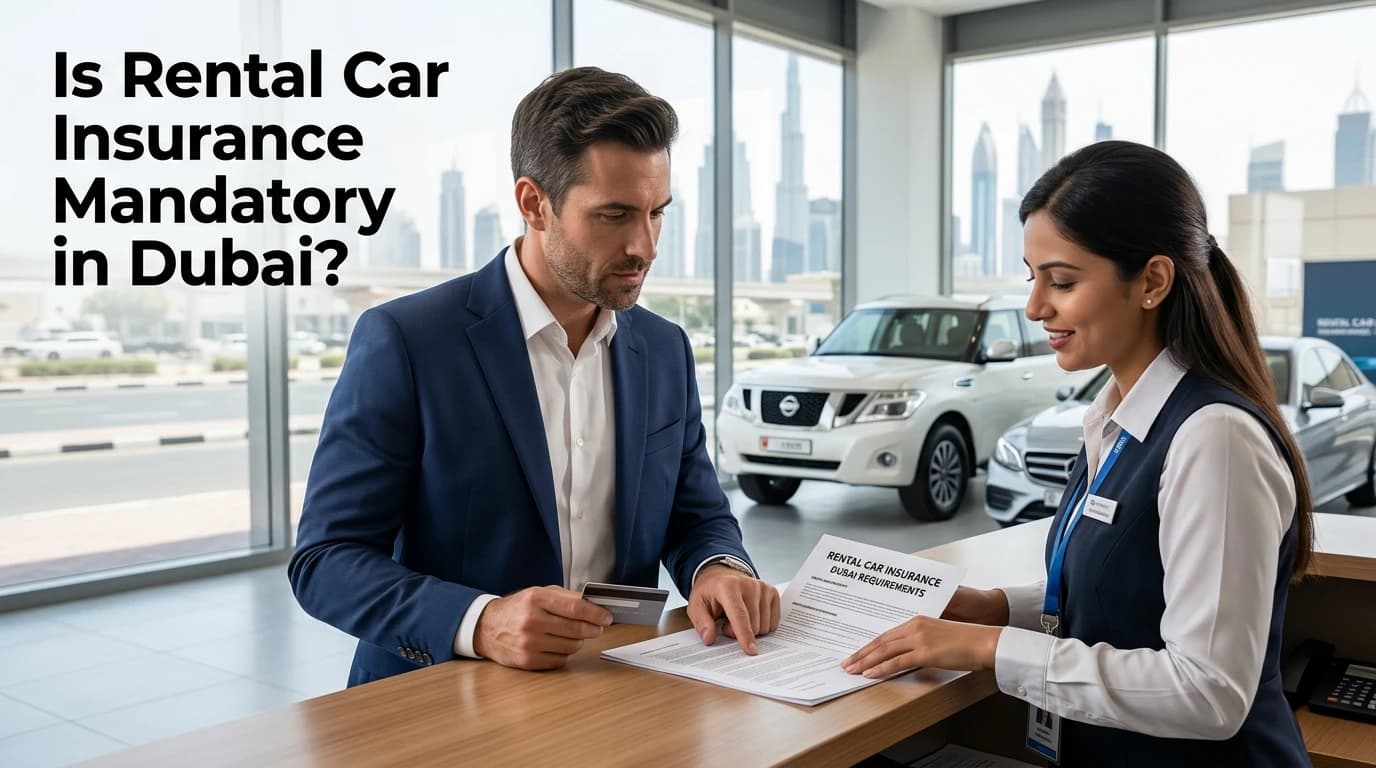
بند التأمين في عرض سعر تأجير السيارة في دبي هو المكان الذي تتوقف فيه السيارة الرخيصة بهدوء عن كونها رخيصة. ترى سعرًا يوميًا منخفضًا، ثم يعرض عليك أحدهم عند المكتب تغطية إضافية مقابل 90 درهمًا في اليوم، إلى جانب حجز تأميني على بطاقتك يجعلها ترتجف. يوافق معظم الزوار من دون أن يعرفوا أن التغطية الأساسية كانت موجودة أصلًا. يوضح هذا المقال ما تعنيه المصطلحات الثلاثة في عقدك فعليًا، وما لا تشمله، ومتى يستحق دفع المزيد.
إذا كنت زائرًا أو مقيمًا لفترة قصيرة وتقود برخصتك الوطنية مع رخصة قيادة دولية، فهذا المقال موجّه لك. وينطبق المنطق نفسه على حاملي رخصة القيادة الخليجية.
TPL: التغطية التي لا يمكنك الاستغناء عنها
المسؤولية تجاه الغير (TPL) هي الجزء الوحيد من التأمين الإلزامي والمُدرج أصلًا في كل عملية تأجير قانونية في الإمارات. وهي تدفع للطرف الآخر عندما تكون أنت المتسبب في الحادث: سيارته، ممتلكاته، وفواتيره الطبية. بموجب قانون المرور الإماراتي، تكون تغطية الإصابات الجسدية غير محدودة عمليًا، بينما تُغطى الأضرار المادية للغير بحد أدنى قدره 250,000 درهم.
أما ما لا تشمله TPL فهو سيارتك المستأجرة نفسها. إذا اصطدمت أثناء الرجوع إلى الخلف بعمود إرشادي، فلن تفعل TPL شيئًا للانبعاج في السيارة التي تقودها. وهذه هي الفجوة التي جاء المنتجان التاليان لسدّها.
CDW تضع سقفًا لفاتورتك لكنها تترك تحملًا
تكون التغطية الشاملة لأضرار التصادم (CDW) مشمولة عادة في السعر المعلن، أو قريبة من ذلك. وهذا لا يعني أن الأضرار مجانية. بل يعني أن شركة التأجير تتنازل عن معظم تكلفة الإصلاح إذا وقع حادث أو سُرقت السيارة، لكنها تبقيك مسؤولًا حتى مبلغ ثابت يُسمى التحمل أو الاستقطاع.
التحمل هو الرقم الذي يهم أكثر من السعر اليومي. وهذه هي النطاقات المعتادة حاليًا في دبي:
- السيارات الاقتصادية والهاتشباك الصغيرة: نحو 1,500 درهم
- السيدان متوسطة الحجم والدفع الرباعي: تقريبًا من 2,000 إلى 3,000 درهم
- السيارات الفاخرة والرياضية: 5,000 درهم فأكثر
لذا فإن سيارة مُعلنة بسعر رائع مع تغطية CDW الأساسية قد تكلفك مع ذلك 1,500 درهم من جيبك مقابل خدش تتسبب فيه أنت. والحجز التأميني على بطاقتك الائتمانية عادة ما يساوي هذا التحمل أو يتجاوزه، ولهذا السبب يبدو المبلغ المحجوز كبيرًا. وتستعيده عند إعادة السيارة بحالة سليمة.
Super CDW تخفض التحمل إلى صفر، أو ما يقاربه
Super CDW، التي تُسمى أحيانًا التغطية الكاملة أو صفر تحمل، هي العرض الإضافي الذي يُقترح عليك عند المكتب. وهي تخفض تحملك إلى صفر أو إلى رقم صغير مثل 100 إلى 500 درهم. توقع أن تدفع نحو 90 إلى 150 درهمًا يوميًا مقابلها على سيارة عادية، وأحيانًا أقل، من 30 إلى 50 درهمًا، عندما تقدم الشركة نسخة مبسطة منها.
ويعتمد قرار الشراء من عدمه على مدة الاستئجار ومدى شعورك بالمخاطرة. بالنسبة إلى رحلة ليومين من المطار إلى الفندق بسيارة صغيرة، يقبل كثير من السائقين المخاطرة بالتحمل الأساسي. أما بالنسبة إلى أسبوع من القيادة داخل المدينة ومواقف المولات، فإن دفع مبلغ لإلغاء تحمل قدره 2,500 درهم غالبًا ما يكلف أقل من التحمل نفسه ويزيل القلق. أنت هنا تشتري راحة البال، لا سيارة أفضل.
ما لا تغطيه أي تغطية تأمينية في دبي فعليًا
هذا هو الجزء الذي يتجاهله موظف مكتب التسليم، والجزء الذي يحوّل المستأجر الواثق إلى مستأجر حائر عندما لا يعود مبلغ التأمين كاملًا. وحتى مع Super CDW، تبقى الاستثناءات المعتادة في الإمارات متشابهة إلى حد لافت بين مختلف الشركات.
- الإطارات والعجلات والجنوط. الثقوب والجنوط المتضررة من الأرصفة لا تُغطى تقريبًا أبدًا. وتوضح شركة Avis، على سبيل المثال، بشكل صريح أن CDW تستثني أضرار الإطارات والعجلات.
- الزجاج الأمامي والنوافذ. كسر ناتج عن حصاة على شارع الشيخ زايد يقع على عاتقك ما لم تشترِ تغطية خاصة للزجاج.
- أسفل هيكل السيارة. خدش أسفل السيارة، وهو أمر شائع عند المنحدرات الحادة والمطبات، يقع خارج نطاق التغطية.
- القيادة خارج الطريق وفي الصحراء. إذا أخذت سيارة تأجير عادية إلى الرمال أو مسار غير معبّد من دون إذن كتابي، فلن تفقد التغطية عن تلك الحادثة فحسب، بل قد يُلغى التأمين بالكامل. إذا أردت القيادة بين الكثبان الرملية، استأجر سيارة دفع رباعي مع تغطية للقيادة خارج الطريق، مذكورة كتابةً.
- أضرار المقصورة الداخلية والاستخدام المتهور. البقع والحروق والقيادة تحت تأثير الكحول مستثناة في كل الحالات.
هذه ببساطة هي الاستثناءات التي تفاجئ الزوار الذين افترضوا أن "التغطية الكاملة" تعني تغطية كل شيء.
سالك والمخالفات رسوم، وليست تأمينًا
يخلط كثيرون بين هذين البندين والتأمين لأن كليهما يُخصم من مبلغ التأمين، لكنهما يعملان بطريقة مختلفة.
سالك هو نظام الرسوم في دبي، ويُخصم تلقائيًا عند مرورك ببوابة. ومنذ الانتقال إلى التسعير المتغير، تدفع 6 دراهم لكل بوابة خلال ساعات الذروة، تقريبًا من 6 إلى 10 صباحًا ومن 4 إلى 8 مساءً أيام الأسبوع، و4 دراهم في بقية اليوم، من دون أي رسوم بين الواحدة والسادسة صباحًا. أما أيام الأحد والعطلات الرسمية فيكون الرسم ثابتًا عند 4 دراهم. وتُحمّل شركة التأجير هذه الرسوم عليك بعد انتهاء الرحلة، غالبًا مع رسم إداري بسيط يتراوح بين 10 و15 بالمئة إضافية. وهذا أمر معتاد وليس عقوبة.
أما المخالفات المرورية فمختلفة. فمخالفة تجاوز السرعة أو قطع الإشارة الحمراء تبقى مرتبطة بالسيارة، وبالتالي تقع على المستأجر. وتضيف الشركات عادة رسمًا إداريًا، غالبًا رسم إقرار بالإضافة إلى نحو 10 بالمئة، عند خصمها من مبلغ التأمين. ولا يغطي أي منتج تأميني مخالفة مرورية، لأن المخالفة نتيجة لمخالفة قاعدة، وليست سوء حظ.
كيف تقرأ العرض عند مكتب التسليم
القرار أبسط مما توحي به المصطلحات. TPL موجودة أصلًا وتحمي الآخرين. CDW تضع سقفًا لمسؤوليتك لكنها تترك تحملًا يجب أن تعرف رقمه الدقيق قبل التوقيع. Super CDW تلغي معظم هذا التحمل مقابل رسم يومي. ولا شيء في العروض المتاحة يغطي الإطارات أو الزجاج أو أسفل الهيكل أو مغامرات القيادة خارج الطريق أو سالك أو المخالفات.
اطرح ثلاثة أسئلة قبل أن تستلم المفاتيح: ما هو التحمل على هذه السيارة، وما هو مبلغ التأمين المحجوز، وهل تتوفر تغطية إضافية للزجاج والإطارات. الإجابات تخبرك أكثر بكثير مما سيخبرك به السعر اليومي أبدًا. وعندما ننظّم عملية تأجير في 24baba، نوضح لك التحمل ومبلغ التأمين مسبقًا حتى تكون التغطية التي تختارها واضحة قبل أن تنطلق. يمكنك تصفح أسطولنا في دبي وترتيب كل شيء مسبقًا مع 24baba.
الأسئلة الشائعة — إجابات على الأسئلة المتكررة.
هل تأمين السيارة المستأجرة إلزامي في دبي؟
نعم، التأمين ضد الغير (TPL) إلزامي ومشمول في كل عملية تأجير قانونية، لذا أنت مغطى دائمًا عن أي ضرر تُلحقه بالآخرين. أما التغطية الشاملة (CDW) وSuper CDW فتتعلقان بحماية السيارة التي تقودها، وفي حين أن CDW مشمولة عادة، تبقى التغطية الأعلى اختيارية. لا يمكنك قانونيًا استئجار سيارة هنا من دون أي تأمين على الإطلاق.
ما الفرق بين CDW وSuper CDW؟
تحدّ CDW من المبلغ الذي تدفعه إذا ألحقت ضررًا بالسيارة المستأجرة، لكنها تبقيك مسؤولًا عن تحمل ثابت (Excess)، غالبًا من 1,500 إلى 5,000 درهم حسب فئة السيارة. أما Super CDW فتخفض هذا التحمل إلى صفر أو إلى مبلغ صغير مقابل رسم يومي إضافي، عادة من 90 إلى 150 درهمًا. باختصار، CDW تضع سقفًا للفاتورة، وSuper CDW تكاد تلغيها بالكامل.
هل يغطي تأمين التأجير في دبي الإطارات والزجاج الأمامي؟
عادة لا. تُعد أضرار الإطارات والجنوط والزجاج وأسفل هيكل السيارة استثناءات معتادة في كل من CDW وSuper CDW لدى معظم شركات التأجير في الإمارات. إذا أردت تغطيتها، اسأل عن إمكانية إضافة باقة خاصة للزجاج والإطارات، لأن التغطية الأساسية لن تدفع ثمن ثقب في الإطار أو كسر في الزجاج الأمامي.
من يدفع رسوم سالك والمخالفات المرورية على السيارة المستأجرة؟
أنت من يدفعهما. تُخصم رسوم سالك من السيارة أثناء القيادة وتُحمَّل عليك لاحقًا، غالبًا مع رسم إداري بسيط، وتبلغ حاليًا من 4 إلى 6 دراهم لكل بوابة حسب توقيت المرور. أما المخالفات المرورية فتبقى مرتبطة بالسيارة وتُحمَّل على المستأجر مع إضافة رسم إداري. لا يغطي أي تأمين هذين البندين.
هل يمكنني قيادة السيارة المستأجرة خارج الطريق المعبّد في الصحراء؟
ليس في عقد تأجير عادي. أخذ سيارة اعتيادية إلى الرمال أو المسارات غير المعبّدة يُلغي تأمينك، وبالتالي يقع أي ضرر بالكامل على عاتقك. إذا أردت القيادة بين الكثبان الرملية، استأجر سيارة دفع رباعي تتضمن تغطية للقيادة خارج الطريق مذكورة كتابةً في عقدك.