

القيادة إلى عُمان من دبي بسيارة مستأجرة
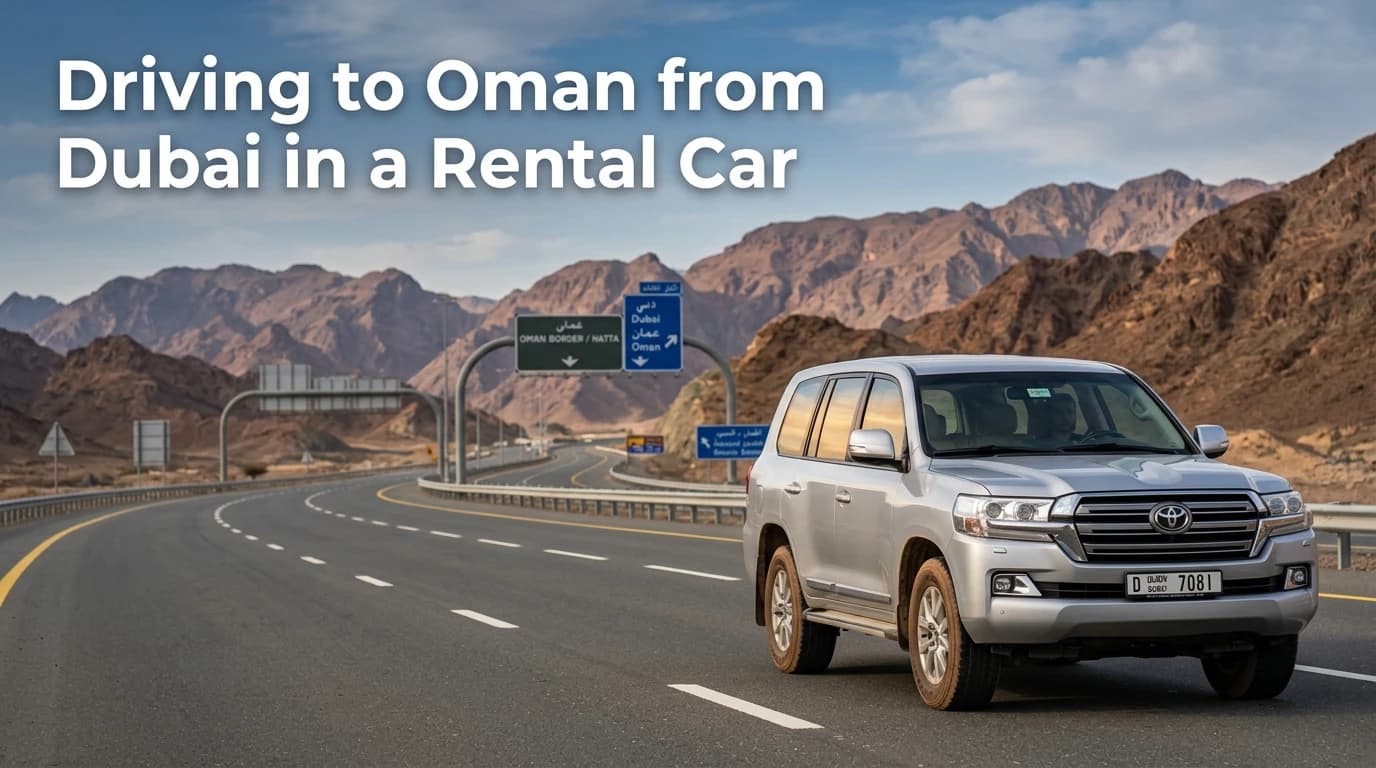
معظم من يسألوننا عن القيادة إلى عُمان يتخيلون الرحلة نفسها: طريق الساحل صعوداً إلى خصب، ورحلة بحرية بقارب الداو عبر المضايق، والعودة بحلول نهاية الأسبوع. تتولى السيارة المستأجرة هذه المهمة بسهولة. الجزء الذي يوقع الناس في الحيرة ليس الطريق، بل الأوراق التي عليك ترتيبها قبل مغادرة دبي، لأن إغفال ورقة واحدة يحوّل حادثاً بسيطاً عبر الحدود إلى فاتورة تدفعها من جيبك. إليك ما يتطلبه الأمر، بالترتيب الذي تحتاجه.
القاعدة الوحيدة التي تحدد كل شيء: احصل على خطاب عدم الممانعة أولاً
لا يمكنك ببساطة توجيه سيارة مستأجرة نحو الحدود والانطلاق. يجب أن تمنح شركة التأجير السيارة إذناً لمغادرة البلاد، وتفعل ذلك عبر خطاب عبور حدودي، يُعرف عادة بخطاب عدم الممانعة أو NOC. من دونه قد تُرد عند البوابة، والأسوأ من ذلك أن تأمينك لن يرافقك عبر الحدود.
هناك أمران مهمان هنا. أولاً، ليست كل الشركات تسمح بذلك. توقفت عدة سلاسل دولية كبرى بهدوء عن السماح لسياراتها الإماراتية بدخول عُمان، لذا لا تفترض أن اسم الشركة على المكتب يعني الموافقة التلقائية. اسأل قبل الحجز. ثانياً، يستغرق إعداد خطاب عدم الممانعة يوماً أو يومين، لذا اتصل قبل يومين أو ثلاثة، لا في صباح اليوم الذي تريد الانطلاق فيه.
توقع أن تدفع مقابل ذلك. يتراوح سعر خطاب عدم الممانعة وحده بين 100 و500 درهم، وتبيع بعض الشركات باقة خاصة بعُمان تجمع الخطاب مع تمديد التأمين. فرضت أوتوستراد نحو 525 درهماً لخطاب عدم ممانعة لمدة سبعة أيام، وقدّمت دولار باقة عُمان بسعر يقارب 450 درهماً لمدة تصل إلى ستة أيام. هذه الأرقام قابلة للتغير، لذا تأكد منها عند الحجز.
التأمين هو ما يخطئ فيه الناس غالباً
تأمين السيارة المستأجرة القياسي في الإمارات يتوقف عند حدود الدولة. إن عبرت إلى عُمان دون تمديده، فأنت عملياً بلا تأمين في اللحظة التي تتجاوز فيها طِبَّة. هذا هو الخطأ المكلف، وهو غير مرئي حتى يحدث خطأ ما.
أمامك طريقتان لتغطية ذلك.
- التمديد عبر شركة التأجير. هذا الخيار الأنظف، وغالباً ما يكون مدمجاً ضمن باقة عُمان. تبلغ تكلفة الإضافة لرحلة قصيرة عادة بين 150 و300 درهم، وأحياناً تُسعَّر يومياً للإقامات الأطول.
- شراء "البطاقة البرتقالية" عند الحدود. إن كانت تغطيتك لا تصل إلى عُمان، تبيع أكشاك الخدمة الذاتية عند المعبر تغطية عُمانية قصيرة المدة، بسعر يقارب 106 دراهم لمدة خمسة أيام كحد أدنى.
رتّب هذا الأمر في المكالمة نفسها مع خطاب عدم الممانعة. الوصول إلى الحدود واكتشاف أن تأمينك لا يعبر معك طريقة بطيئة ومرهقة لبدء إجازة.
المستندات التي تحملها في السيارة
احتفظ بهذه المستندات معاً في مكان يمكنك تسليمها منه دون البحث في حقيبتك عند نافذة التفتيش.
- جواز سفرك، إضافة إلى تأشيرة إقامتك في الإمارات إن وُجدت.
- تأشيرتك العُمانية أو تأكيد التأشيرة الإلكترونية، ما لم تكن مؤهلاً للتأشيرة المجانية عند الحدود (المزيد عن ذلك أدناه).
- خطاب عدم الممانعة من شركة التأجير، وهو خطاب العبور الحدودي.
- مُلكية السيارة، وإثبات التأمين العُماني أو البطاقة البرتقالية.
- رخصة قيادتك. رخصة بلدك الأصلي سارية المفعول مع رخصة قيادة دولية تغطي معظم الزوار، ورخصة إماراتية تغطي المقيمين، ورخصة خليجية تغطي مواطني دول مجلس التعاون.
التأشيرة، ولماذا تُحدث إقامتك فرقاً
هنا تصبح حالتك الإقامية مهمة فعلاً.
إن كنت مقيماً في إحدى دول مجلس التعاون الخليجي، أي تحمل تأشيرة إقامة سارية في الإمارات أو السعودية أو البحرين أو الكويت أو قطر، فأنت في المسار السهل. يحصل معظم مقيمي دول الخليج على تأشيرة مجانية عند معبر طِبَّة لدخول مسندم، بصرف النظر عن جنسية جواز السفر. أحضر تأشيرة إقامتك وأظهرها عند النافذة.
أما إن لم تكن تحمل إقامة خليجية، فرتّب تأشيرة إلكترونية قبل السفر عبر بوابة شرطة عُمان السلطانية على evisa.rop.gov.om. تكلف التأشيرة السياحية القصيرة لغير المقيمين نحو 5 ريالات عُمانية، أي ما يقارب 48 درهماً، لدخول واحد مدته عشرة أيام، مع خيارات أطول بأسعار أعلى. تقدّم بالطلب قبل أيام واحمل النسخة المطبوعة معك. لا تراهن على ترتيب الأمر عند الحدود.
أمر يستحق المعرفة: مسندم منطقة عُمانية منفصلة، تفصلها عن باقي عُمان أراضٍ إماراتية. تنطبق التأشيرة المجانية عند الحدود على معبر مسندم تحديداً. إن كنت تخطط لمواصلة رحلتك إلى البر الرئيسي العُماني في الرحلة نفسها، تأكد من أن تأشيرتك تغطي ذلك.
المعبر نفسه: طِبَّة لدخول مسندم
بالنسبة لرحلة مسندم، هناك معبر بري واحد، يقع على الطريق الساحلي الشمالي بعد رأس الخيمة. الجانب الإماراتي هو الدرة، والجانب العُماني هو طِبَّة. يعمل المعبر على مدار 24 ساعة، لكن الطوابير ليست كذلك.
تغادر الإمارات، ويُختم جواز سفرك بالخروج، ثم تقود مسافة قصيرة محايدة، ثم تنهي إجراءات الهجرة والتأمين العُمانية. الأمر سريع في صباح يوم من أيام الأسبوع، ومرهق بعد ظهر عطلة نهاية الأسبوع. إن كنت تخطط لرحلة مسندم في يوم واحد، اعبر بين الساعة 7:00 و8:30 صباحاً وستتجاوز معظم الطابور. تزدحم صباحات الجمعة والسبت، وتزدحم رحلة العودة بين الساعة 4:00 و6:00 مساءً في عطلة نهاية الأسبوع. خطط حول ذلك وستمر الرحلة بهدوء.
الطريق، والسيارة التي تناسبه فعلاً
تبلغ المسافة من دبي إلى خصب نحو 200 كيلومتر، وتستغرق القيادة، شرط سلاسة إجراءات الحدود، بين ساعتين وثلاث ساعات. الطريق معبّد بالكامل طوال المسافة. يمر عبر رأس الخيمة، ويعبر عند طِبَّة، ثم يلتصق بالساحل بينما ترتفع جبال الحجر بشكل مباشر على جانب والمياه قريبة على الجانب الآخر. إنه من أفضل مقاطع الطرق المعبّدة في المنطقة.
بالنسبة لطريق الساحل إلى خصب، لا تحتاج إلى سيارة دفع رباعي. سيارة صالون مريحة تكفي، وسيارة دفع رباعي متوسطة الحجم تجعل الرحلة أكثر راحة مع أمتعة وركاب إضافيين. ما تحتاجه فعلاً هو مكيف هواء يعمل بكفاءة ومحرك قوي بما يكفي للسير بسرعة الطريق السريع دون إجهاد، خصوصاً في حرارة الصيف.
مسألة الدفع الرباعي تُطرح فقط إن غادرت الطريق المعبّد. المسارات الجبلية فوق خصب، وطريق جبل حريم، وأي طريق بعيد عن الطريق الساحلي يتطلب خلوصاً أرضياً مناسباً ودفعاً رباعياً في الأفضل. أما بالنسبة للرحلة البحرية بقارب الداو والساحل، فسيارة عادية كافية. وللجبال أو المسارات الوعرة على جانب دبا، استأجر سيارة دفع رباعي وأخبر الشركة بأن هذا ما تخطط للقيام به.
بالنسبة لرحلة جاهزة لعُمان، فإن سيارة دفع رباعي أوتوماتيكية مع أوراق العبور الحدودي المرتبة مسبقاً هي الخيار السهل، ويمكنك استئجار واحدة مجهّزة لعُمان منا في 24baba. مكالمة واحدة تتولى السيارة وخطاب عدم الممانعة وتمديد التأمين معاً، وهذا يختصر كل العناء في خطوة واحدة.
التكلفة التقريبية لهذه الرحلة
إلى جانب السعر اليومي للإيجار، احسب حساباً للتكاليف الإضافية التي تضيفها الحدود. يتراوح خطاب عدم الممانعة بين 100 و500 درهم، ويتراوح تمديد التأمين بين 150 و300 درهم إن اشتريته عبر الشركة، أو نحو 106 دراهم مقابل البطاقة البرتقالية من الكشك. تبلغ تكلفة التأشيرة الإلكترونية لغير المقيمين نحو 48 درهماً. الوقود أرخص في عُمان منه في الإمارات، لذا عبّئ الخزان بعد الحدود إن كنت متجهاً إلى أبعد من خصب. لا شيء من هذا مبلغ ضخم، لكنه يتراكم، وهو أرخص بكثير من حادث بلا تأمين.
الأسئلة الشائعة — إجابات على الأسئلة المتكررة.
هل يمكنني أخذ أي سيارة مستأجرة من دبي إلى عُمان؟
لا. يجب أن تكون السيارة مصرحاً لها بمغادرة الإمارات، ولا تسمح كل شركات التأجير بذلك. توقفت عدة سلاسل كبرى تماماً عن السماح لسياراتها بدخول عُمان. تأكد من الشركة قبل الحجز، واطلب منها إعداد خطاب عدم الممانعة للعبور الحدودي، الذي يستغرق عادة يوماً أو يومين.
ماذا يحدث إن قدت إلى عُمان دون خطاب عدم الممانعة وتمديد التأمين؟
أنت معرّض لأن تُرد عند الحدود، وإن سُمح لك بالعبور، فلن يغطيك تأمينك الإماراتي في عُمان. هذا يعني أن أي حادث أو ضرر أو مطالبة من طرف ثالث تدفعها من جيبك، إضافة إلى مبلغ التأمين المحجوز على بطاقتك. إنه أكثر خطأ مكلف في هذه الرحلة، ويمكن تجنبه بالكامل بمكالمة هاتفية واحدة قبل انطلاقك.
هل أحتاج إلى تأشيرة لمسندم إن كنت أعيش في الإمارات؟
إن كنت تحمل تأشيرة إقامة سارية في أحد دول مجلس التعاون الخليجي، فستحصل عادة على تأشيرة مجانية عند معبر طِبَّة لمسندم، أياً كان جواز سفرك. احمل تأشيرة إقامتك الإماراتية وأظهرها عند المعبر. أما إن كنت زائراً بلا إقامة خليجية، فتقدّم بطلب التأشيرة الإلكترونية العُمانية عبر الإنترنت قبل السفر، إذ تكلف التأشيرة السياحية القصيرة نحو 5 ريالات عُمانية وترتيبها مسبقاً أسهل بكثير.
هل أحتاج إلى سيارة دفع رباعي للوصول إلى خصب؟
لا. الطريق الساحلي من الحدود إلى خصب معبّد بالكامل، وتتولاه بسهولة سيارة صالون عادية أو سيارة دفع رباعي متوسطة الحجم. تحتاج إلى سيارة دفع رباعي فقط إن كنت تخطط للتوجه خارج الطريق المعبّد نحو الجبال، مثل طريق جبل حريم أو المسارات الوعرة على جانب دبا. بالنسبة للرحلة الساحلية المعتادة ورحلة قارب الداو، تكفيك سيارة أوتوماتيكية عادية بمكيف هواء جيد.