

التكاليف الخفية لاستئجار سيارة في دبي
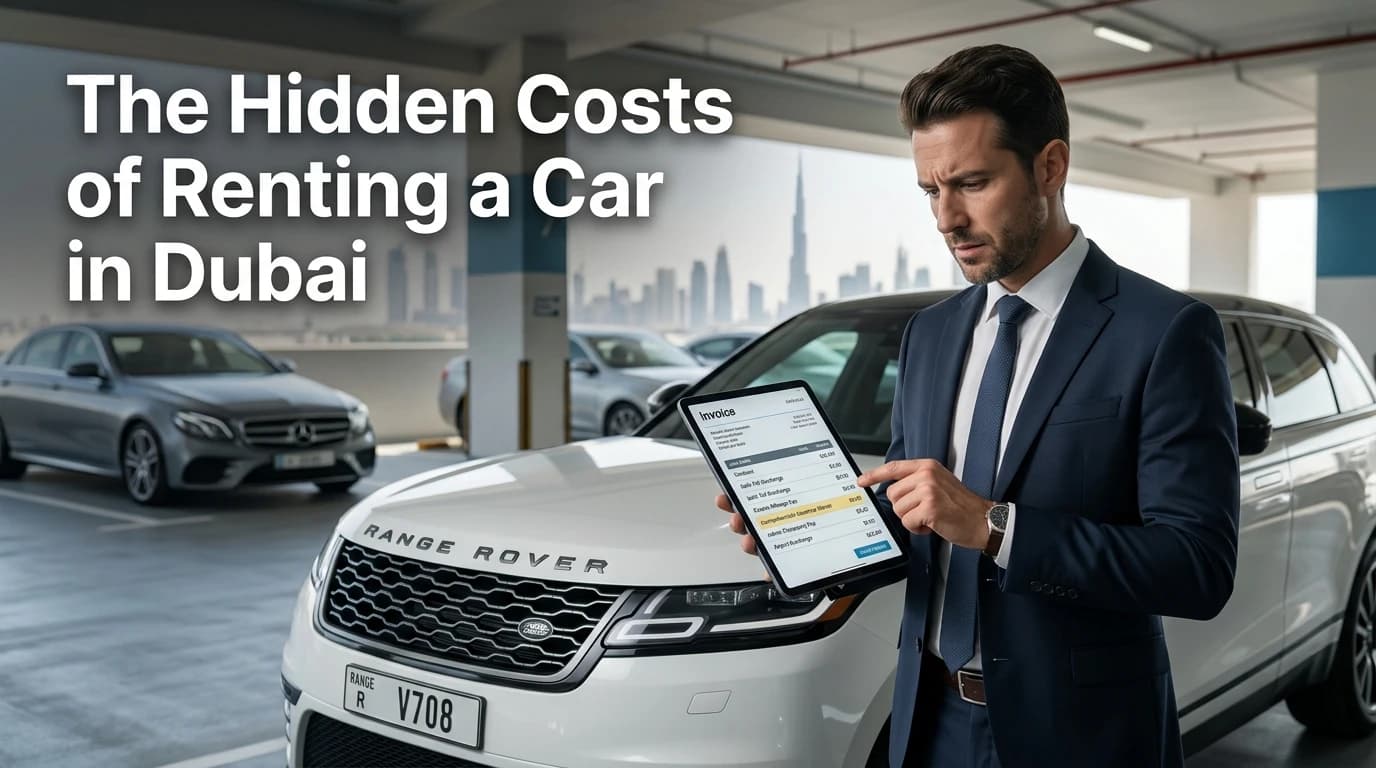
السعر الذي تراه على موقع المقارنة ليس تقريبًا هو السعر الذي تدفعه. سيارة مُعلنة بـ99 درهمًا في اليوم قد تنتهي بفاتورة نهائية أقرب إلى 180 درهمًا بعد إضافة حجز التأمين، ورسوم سالك الإدارية، وتغطية التحمل، ورسوم المطار. لا شيء من هذا احتيال. الأمر ببساطة موزّع على بنود العقد في أماكن لا يفكر الزائر لأول مرة في البحث عنها. هذا تفصيل واضح لما يُضاف فعليًا عند استئجار سيارة في دبي، حتى لا يبقى الرقم الظاهر في صفحة الحجز بعيدًا عن الرقم الذي يظهر في كشف حسابك البنكي.
حجز التأمين الذي يُجمّد بطاقتك
هذا البند ليس رسومًا فعلية، لكنه يفاجئ الناس أكثر من أي رسوم حقيقية. تقوم كل شركة تأجير تقريبًا في دبي بحجز مبلغ تأمين على بطاقتك الائتمانية، وعادة ما يكون بين 1,000 و5,000 درهم على سيارة عادية وأكثر من ذلك على سيارة قوية. هذا حجز وليس دفعًا فعليًا. تسترد المبلغ لاحقًا، لكن الإفراج عنه قد يستغرق من أسبوعين إلى أربعة أسابيع بعد إعادة السيارة، وأحيانًا الثلاثين يومًا الكاملة التي تسمح بها الأنظمة.
يحتاج هذا الحجز إلى مساحة كافية على حدّك الائتماني، فحجز 3,000 درهم على بطاقة بحدّ 6,000 درهم يستهلك نصف قدرتك الشرائية طوال الرحلة. تطلب معظم الشركات أيضًا بطاقة ائتمانية باسم السائق الرئيسي، وليس بطاقة خصم مباشر أو نقدًا. الوصول إلى المكتب من دون ذلك قد يُنهي الحجز في مكانه.
رسوم سالك، بالإضافة إلى رسوم معالجتها
سالك هو نظام الرسوم الآلي لطرق دبي، بلا أكشاك وبلا دفع نقدي. تقرأ الكاميرا الملصق عند مرورك من البوابة، وتُخصم القيمة من الحساب المرتبط بالسيارة. وفي حالة التأجير، هذا الحساب يخص الشركة، لذلك تعود الرسوم إليك لاحقًا.
منذ بداية 2025، يعمل سالك بتسعير متغير. تدفع 6 دراهم لكل بوابة في أوقات الذروة، تقريبًا من 6 صباحًا حتى 10 صباحًا ومن 4 عصرًا حتى 8 مساءً، و4 دراهم خارج أوقات الذروة. يكون العبور مجانيًا بين 1 صباحًا و6 صباحًا، ويوم الأحد رسم ثابت قدره 4 دراهم. قيادة شارع الشيخ زايد عبر المدينة في ساعة الذروة قد تمر بأربع أو خمس بوابات في كل اتجاه من دون أن تلاحظ.
الجزء الخفي ليس الرسم نفسه، بل رسوم المعالجة المضافة عليه. تضيف كثير من الشركات رسومًا إدارية تتراوح بين 5 و10 دراهم لكل عبور، أو رسوم سالك يومية ثابتة، فوق قيمة الـ4 أو 6 دراهم الفعلية. على مدار أسبوع من القيادة داخل المدينة يمكن لهذا الهامش وحده أن يضيف 80 درهمًا أو أكثر بهدوء. اسأل عما إذا كانت الشركة تمرر الرسوم بسعرها الفعلي أو بهامش إضافي، وتحقق من أسعار البوابات الحالية عبر موقع سالك الرسمي قبل انطلاقك.
السعر الرخيص مع التحمل القاسي
هنا يظهر الضرر الحقيقي للسعر المُعلن. السعر اليومي المنخفض جدًا يأتي غالبًا مع تأمين أساسي وتحمل مرتفع، يُعرف أيضًا بالخصم. التحمل هو ما تدفعه من جيبك إذا تعرضت السيارة لضرر، حتى عندما "يغطيك" التأمين. على سيدان أو دفع رباعي عادي يكون غالبًا نحو 1,500 درهم، وعلى السيارات الأكبر أو الفاخرة يرتفع إلى ما هو أبعد من ذلك بكثير.
فسيارة الـ99 درهمًا تبقى جيدة إلى أن تصطدم عربة تسوق بالباب في موقف سيارات أحد المولات، وتجد نفسك فجأة مسؤولًا عن 1,500 درهم. الحل هو تغطية الاصطدام (CDW)، أو النسخة المطورة منها Super CDW، التي تُخفّض مسؤوليتك نحو الصفر. توقع دفع نحو 30 إلى 50 درهمًا يوميًا مقابل هذه الترقية، أو 300 إلى 500 درهم شهريًا.
اقرأ ما تستثنيه هذه التغطية رغم ذلك. غالبًا ما تستثني تغطية CDW الأساسية الإطارات، وزجاج الأمامية، وأسفل هيكل السيارة، والمقصورة الداخلية. إذا انبعج جنط عجلة أو تشقق الزجاج الأمامي على كتف طريق حصوي، فقد يقع ذلك خارج التغطية تمامًا. إذا كانت رحلتك تتضمن أي طريق وعر، فهذه الثغرة أهم بكثير من السعر اليومي.
رسوم تعتمد على هويتك ومكان الاستلام
هناك مجموعة من الرسوم لا علاقة لها بالسيارة نفسها بل بتفاصيل الحجز.
- رسوم السائق الشاب. إذا كان عمرك أقل من 25 عامًا، توقع رسومًا إضافية تتراوح بين 50 و150 درهمًا يوميًا. بعض الشركات تحدد السن الأدنى عند 25 عامًا، وأخرى تضع حدًا مختلفًا للسيارات الفاخرة.
- رسوم السائق الإضافي. إضافة سائق ثانٍ مُسجّل تكلف عادة رسومًا إضافية يوميًا. تتنازل بعض الشركات المحلية عن هذه الرسوم للزوج أو الزوجة، لذا اسأل بدلًا من الافتراض.
- رسوم المطار. استلام السيارة من مطار دبي الدولي أو مطار آل مكتوم الدولي غالبًا ما يحمل رسومًا إضافية تتراوح بين 10 و15 بالمئة، أو رسمًا ثابتًا يتراوح بين 25 و100 درهم تقريبًا، مقابل راحة الاستلام من صالة المطار.
- رسوم التوصيل. توصيل السيارة إلى فندقك قد يكون مجانيًا داخل المدينة أو برسوم بسيطة، حسب المسافة والتوقيت.
إذا كان بإمكانك استلام السيارة من فرع داخل المدينة بعد يوم من وصولك بدلًا من أخذها فور الوصول، فغالبًا ما تتجنب رسوم المطار تمامًا. مقابل ليلة واحدة، هذا توفير سهل.
الوقود والتنظيف
تعمل معظم عمليات التأجير في دبي بسياسة "ممتلئ مقابل ممتلئ". تستلم السيارة ممتلئة وتعيدها ممتلئة. إذا لم تفعل، تقوم الشركة بتعبئة الوقود نيابة عنك بسعر أعلى بكثير من سعر المحطة، بالإضافة إلى رسوم خدمة، لذا فإن إعادة السيارة شبه فارغة تكلف أكثر بشكل ملحوظ من مجرد تعبئتها بنفسك. الوقود هنا رخيص مقارنة بالمعايير العالمية، ما يجعل دفع هذا الهامش الإضافي مزعجًا بشكل خاص.
التنظيف يعمل بالطريقة نفسها. الغبار العادي لا بأس به. لكن إعادة السيارة مع رمال متغلغلة في المقاعد، أو بقع طعام، أو الأسوأ من ذلك رائحة السجائر، قد يعرضك لرسوم تتراوح من نحو 100 إلى 500 درهم أو أكثر مقابل التدخين في سيارة غير مخصصة للتدخين.
المخالفات، ورسوم تمريرها إليك
لا تختفي المخالفات المرورية ومخالفات الوقوف لأن السيارة مستأجرة. يربط النظام المخالفة بالمركبة، لذا فإن مخالفة رادار السرعة أو مخالفة وقوف غير مسددة تعود إلى الشركة، التي تقوم بدورها بتحصيلها منك. هذا منطقي. المشكلة هي الرسوم الإدارية التي تضيفها الشركة مقابل معالجتها، وعادة ما تكون بين 50 و200 درهم فوق قيمة المخالفة نفسها.
لذلك يمكن لمخالفتين خلال رحلة قصيرة أن تكلفا أكثر بكثير من قيمة المخالفتين وحدهما. راقب سرعتك وفق الحد المعلن، لا وفق سرعة السيارات من حولك، وادفع رسوم الوقوف في المناطق المخصصة عبر التطبيق أو العداد. أرخص مخالفة هي تلك التي لا ترتكبها أصلًا.
جمع الأرقام، وموقعنا منها
عند جمع كل هذه البنود، تنقسم التكلفة الحقيقية إلى ثلاث طبقات. السعر الأساسي هو ما قارنت به السيارات. الإضافات شبه المؤكدة هي ترقية التغطية، ورسوم سالك مع رسوم معالجتها، وأي رسوم مطار أو سائق إضافي. الإضافات القابلة للتجنب هي هامش الوقود، ورسوم التنظيف، والمخالفات، وهذه كلها بين يديك بالكامل. تُطبَّق ضريبة القيمة المضافة بنسبة 5 بالمئة على الإيجار وعادة ما تكون مُدرجة مسبقًا في الأسعار المعلنة في الإمارات، لذا تحقق مما إذا كان عرض السعر يشملها.
النسخة الصادقة من عرض السعر تُطلعك على التحمل ورسوم معالجة سالك قبل الحجز، لا بعده. نحاول في 24baba إبقاء أسعارنا على هذا الجانب من الخط، بحيث يكون الرقم الذي توافق عليه قريبًا من الرقم الذي تدفعه فعليًا. أيًا كانت الشركة التي تحجز معها، اطلب معرفة قيمة التحمل، وسياسة سالك، وحجز التأمين كتابيًا قبل تسليم بطاقتك. وإذا أردت تفصيلًا واضحًا لسيارة معينة، قارن ما هو مشمول فعليًا لدى 24baba.
الأسئلة الشائعة — إجابات على الأسئلة المتكررة.
هل يجب أن أدفع رسوم سالك على سيارة مستأجرة؟
نعم. تُحتسب رسوم سالك على الحساب المرتبط بالسيارة، وهو حساب شركة التأجير، لذلك تقوم الشركة بتحصيل قيمة الرسوم منك بعد انتهاء الإيجار. تدفع 6 دراهم عند كل بوابة في أوقات الذروة و4 دراهم خارج أوقات الذروة، وتضيف كثير من الشركات رسوم معالجة تتراوح بين 5 و10 دراهم لكل عبور فوق ذلك. اسأل عما إذا كانت الشركة تمرر رسوم سالك بسعرها الفعلي أو بهامش ربح إضافي قبل أن توقّع العقد.
ما هو مبلغ التحمل في تأجير السيارات بدبي وكيف أتجنبه؟
التحمل، أو ما يُعرف بالخصم، هو المبلغ الذي تدفعه من جيبك في حال تعرضت السيارة لضرر، حتى مع وجود تأمين أساسي، وغالبًا ما يكون نحو 1,500 درهم على سيارة عادية. يمكنك تقليله بشراء تغطية الاصطدام (CDW) أو التغطية الفائقة (Super CDW)، وعادة ما تتراوح تكلفتها بين 30 و50 درهمًا يوميًا، وهو ما يُقرّب مسؤوليتك من الصفر. تحقق مما تستثنيه هذه التغطية، فالإطارات والزجاج وأسفل هيكل السيارة غالبًا ما تكون خارج نطاقها.